
Retail Design October 2026
Browse, Bite, Buy, Repeat: How Retail Design Shapes Customer Experience
At a glance
Retail design shapes how customers navigate, discover products and spend time in a space. Clear circulation, purposeful zoning, comfortable browsing, useful lighting and a relevant mix of shopping and dining can support a better experience alongside service, quality and value.
Ever walked into a store for one thing and ended up browsing for half an hour? Or visited a shopping destination, grabbed what you needed and left without giving anything else a second look?
The difference is not always what a place sells. Sometimes, it is how the space works. A display catches your eye. You can find your way around without thinking too hard. There is a café where you can take a break, or another store that makes you curious enough to step inside. These may seem like small details but they contribute to the way people feel in a retail space.
That makes design, for retailers and developers, about more than just aesthetics. The real challenge is to create spaces that are easy to navigate, interesting to explore and worth revisiting.
How does retail design impact customer behaviour?
Shoppers may walk into a store with a shopping list but that does not mean their journey has to be predictable. Good design makes it easier to find what they need, but allows for discovery.
A JLL 2025 study, 'Shifting Priorities in Retail Design', surveyed 2,002 adults across 15 countries. It found 53% prioritised getting what they needed quickly, even if it meant a less immersive brand experience.
There is a useful lesson here. Customers may appreciate an engaging retail environment, but they do not want to work hard to navigate it. An elaborate design means little if people cannot find what they came for.
The best retail spaces get this balance right. They make everyday tasks easy while giving customers a reason to look around.
Five Design Decisions That Make a Difference
1. Help people easily find their way around
No one wants to spend their shopping trip figuring out where to go next.
A good store layout, with visible entries and a logical layout of areas, helps customers navigate the store without wasted effort. That challenge is more acute in a larger retail destination. People might want to hit a few stores, grab a bite to eat, and see what else is around.
If the spaces feel separate or the routes are not clear, the experience is poorer.
Good circulation makes movement feel natural. Customers can get where they want to go and still discover something they did not plan for.
2. Give every zone a purpose
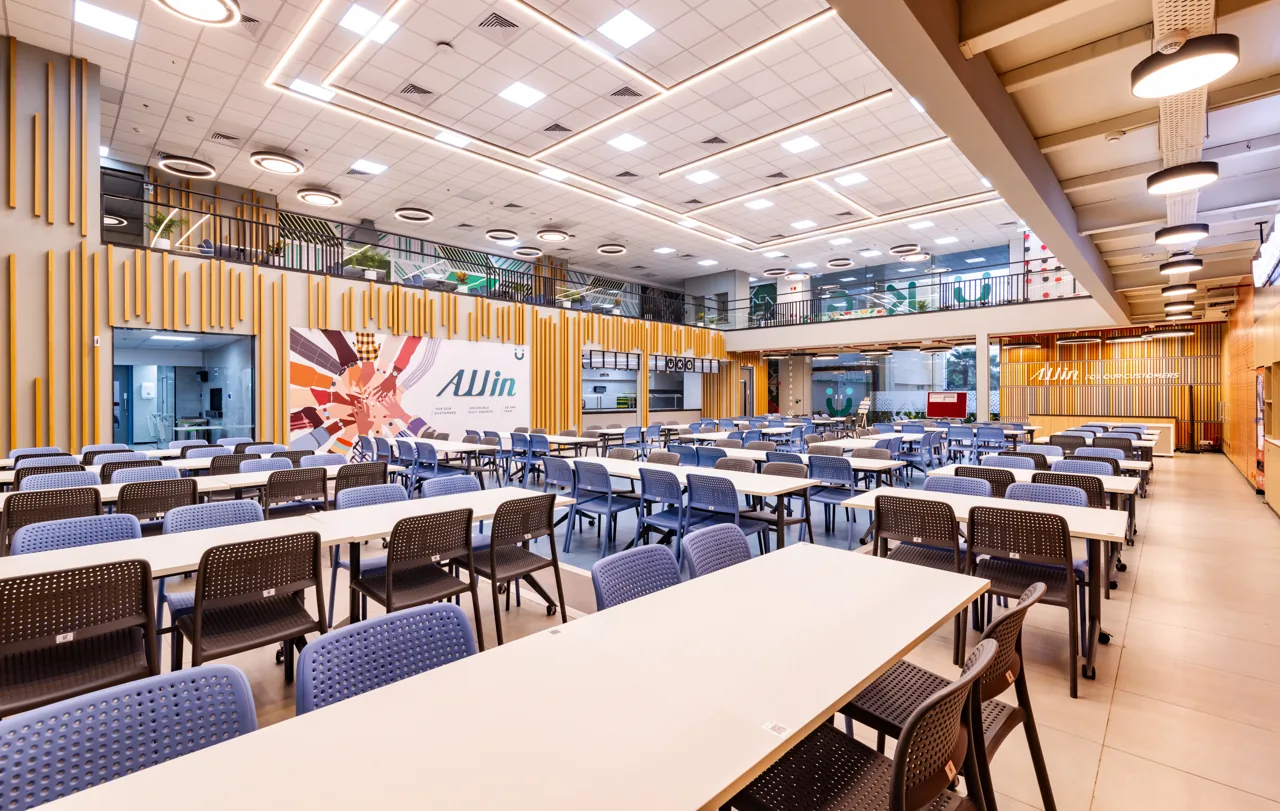
A retail destination is rarely just a collection of shops. People may come to browse, eat, meet friends or spend time with family. The design needs to make room for these different reasons to visit.
Take Epicuria beneath Nehru Place Metro Station in Delhi, where StudioXP contributed ideas that broadened the food offering to include speciality restaurants, fine dining, bars, street food and desserts.
The idea was to offer more than a quick meal. With different dining options under one roof, Epicuria developed into a social destination where people could meet, eat and spend time together.
That is an important consideration for retail developers. The mix of offerings matters, but so does how they come together. Each zone should serve a purpose while contributing to the experience of the destination as a whole.
3. Make discovery part of the design
There is a reason some stores make browsing enjoyable. You can see the products, move around comfortably and spot things that interest you without feeling overwhelmed.
What customers see is influenced by sightlines, display areas and how merchandise is arranged. With an intuitive layout and enough aisle space to browse without feeling crowded, they can shop more easily.
StudioXP's retail portfolio includes Decathlon stores in Delhi, Faridabad and Mohali, covering 3.10 lakh sq. ft. in architecture and interior design, alongside projects such as 150 Hyper Mart. Each retail format has its own requirements, but they all share one thing in common. Customers need to be able to move through the space and engage with the products on offer.The aim is not to fill every available corner. It is to make the space work harder for both the shopper and the retailer.
4. Use lighting to do more than brighten a room
Lighting can change how a retail space looks and feels. It can draw attention to a display, help customers examine products and distinguish one zone from another.
But the right approach depends on what is being sold and the experience the retailer wants to create. A fashion store, supermarket and electronics showroom will have different lighting requirements.
The important thing is to make lighting serve a purpose. It should help customers interact with the space and its products, not simply make the interiors look impressive.
5. Give people a reason to come back
A shopping trip does not always begin with a purchase in mind. Sometimes, people want to discover a new brand. Sometimes, they want to meet friends over coffee or spend an afternoon with family.
Retail destinations that bring shopping, dining and leisure together can offer more reasons to visit. Comfortable shared spaces, a relevant mix of offerings and easy movement between them can make the experience more enjoyable.
Of course, design alone cannot guarantee repeat visits. Service, product quality, pricing and convenience matter just as much. But a well planned environment can make the overall experience more rewarding.
How Can Retail Design Support Business Performance?
For a retailer, an attractive store is only the starting point. The space also needs to support daily operations, make products accessible and give customers a comfortable way to shop.
For a developer, the considerations extend to how different tenants and shared areas work together, how people move through the property and how effectively the available space is used.
This is where design and execution need to be considered together.
At StudioXP, design consultancy, project management and design build bring these considerations into a connected process. The firm has designed and delivered 8.5 million sq. ft., supported by 80+ expert professionals.
For more of StudioXP’s retail work and other commercial environments, take a look at its project portfolio.
The first step for retail projects in Delhi NCR and other Indian markets is to identify who will use the space, what they need from it and what the business wants to achieve.
Frequently Asked Questions FAQs
What makes a retail space work?
A successful retail space is comfortable to browse, easy to navigate and designed for the needs of their customers. Clear circulation, effective displays, proper lighting and intelligent zoning all go into the experience.
How does retail design affect buying decisions?
Design in retail affects how a customer’s attention is captured, the ease of finding products and how a brand is viewed. The way you lay things out and how you display them goes a long way in helping shoppers find products, but buying depends on things like price, quality and service as well.
Why is circulation important in retail design?
Retail design needs circulation for a reason. The separate circulation allows customers to move from one section to another without congestion or confusion. Also in larger destinations it connects shops, dining areas and shared spaces, making the whole visit more convenient.
How does retail design affect likelihood of return?
A comfortable environment, a good mix of what is on offer and an enjoyable customer experience can give people more reasons to return. These need to be supported by good service, product relevance and value.
The Real Goal Is to Bring People Back
A retail space can look impressive in photographs. But its real test begins when people walk through the door. Can they find what they need? Do they feel like exploring? Is there something that makes them want to stay a little longer, or return another day?
These are the questions that should shape the design from the beginning. Because a successful retail space does more than give people somewhere to shop. It gives them a reason to come back.
Sources & further reading
- JLL: Shifting Priorities in Retail Design (PDF)
Survey methodology on page 3; the 53% finding on page 6.
- Delhi Tourism: Epicuria at Nehru Place
Location and dining context for the Epicuria example.